

EP6. Stefano
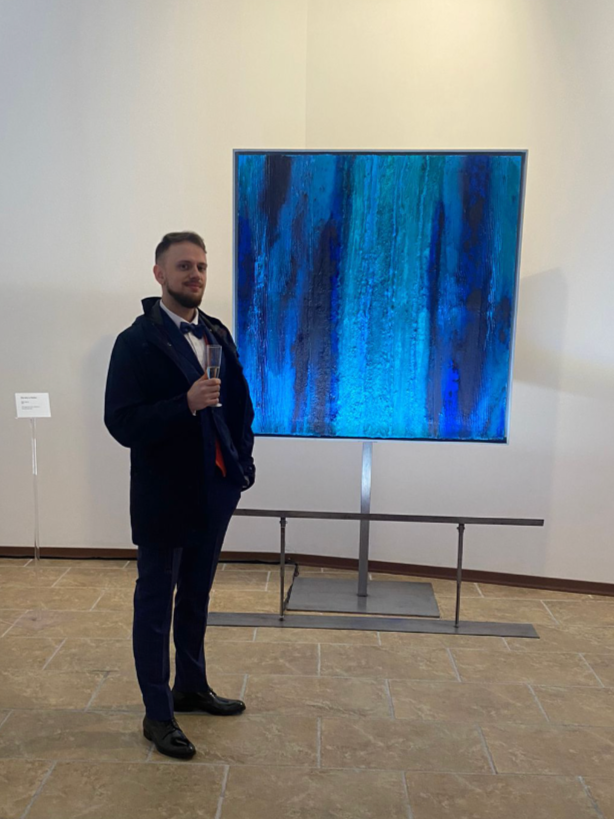
Collector Stefano
Since you began collecting in 2020, how has your perspective on art and artists evolved?
Looking back at my first steps in the art world, I can definitely say that I’m beginning to recognize a fil rouge — a guiding thread — that connects the works I’ve collected and love the most, along with the exhibitions that have left the strongest impression on me and the artists I hope to meet in person in the future. These past years have helped me understand what truly speaks to the most inner part of myself, what stirs my most vivid emotions.
The biggest shift has certainly been realizing what resonates with me most deeply. This isn’t just a matter of taste; it has also become a tool for understanding certain aspects of my own personality — those subtle shades we’re often not fully aware of, even within ourselves. From this perspective, art has truly taken on a kind of therapeutic role, becoming a path of introspection and self-discovery.
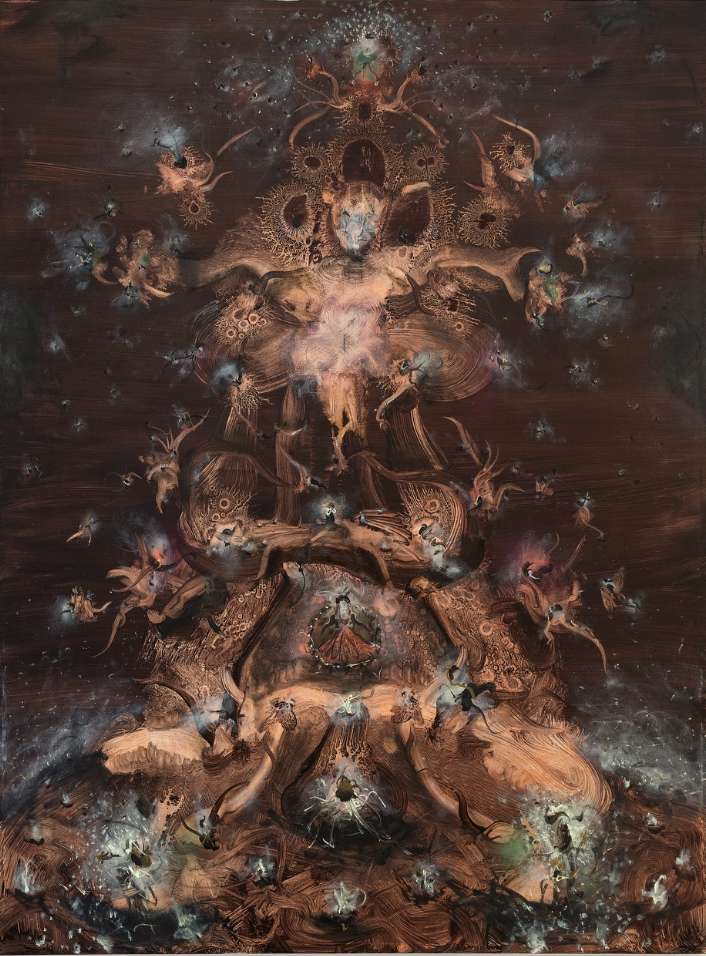
Quando la vita ti sorride ha una paresi (2024) by Andrea Luzi
Looking back at your recent acquisitions, which work has been the most memorable for you, and why did it resonate so strongly?
Among the latest works I’ve collected, the large painting by Andrea Luzi undoubtedly holds a truly central place in my collection. It’s a piece that, in a way that’s hard to fully explain, speaks directly to an inner part of me: its barely sketched forms and the glimpses of imagination it leaves open resonate perfectly with my own sense of fantasy.
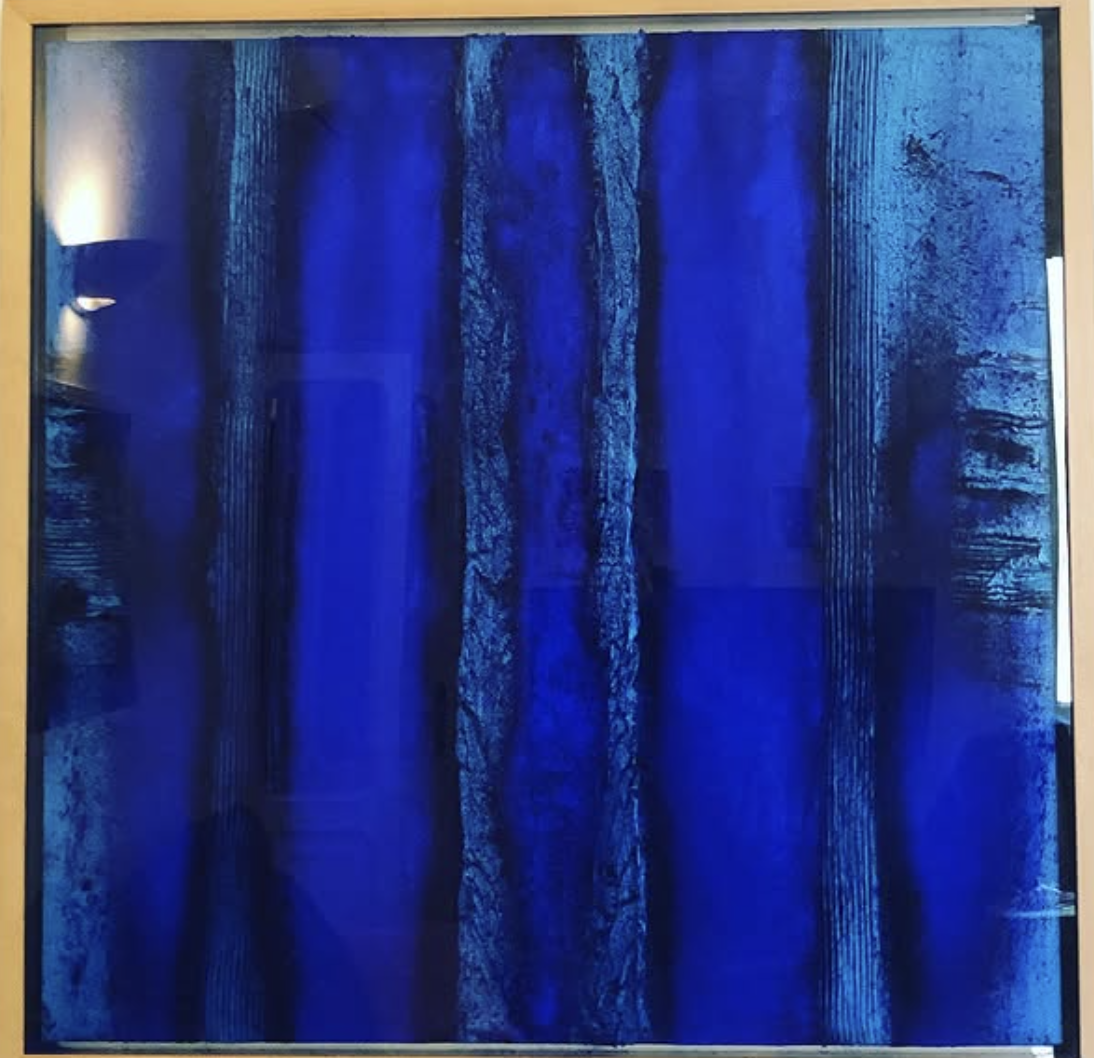
Eden Blu (2021) by Marcello Lo Giudice
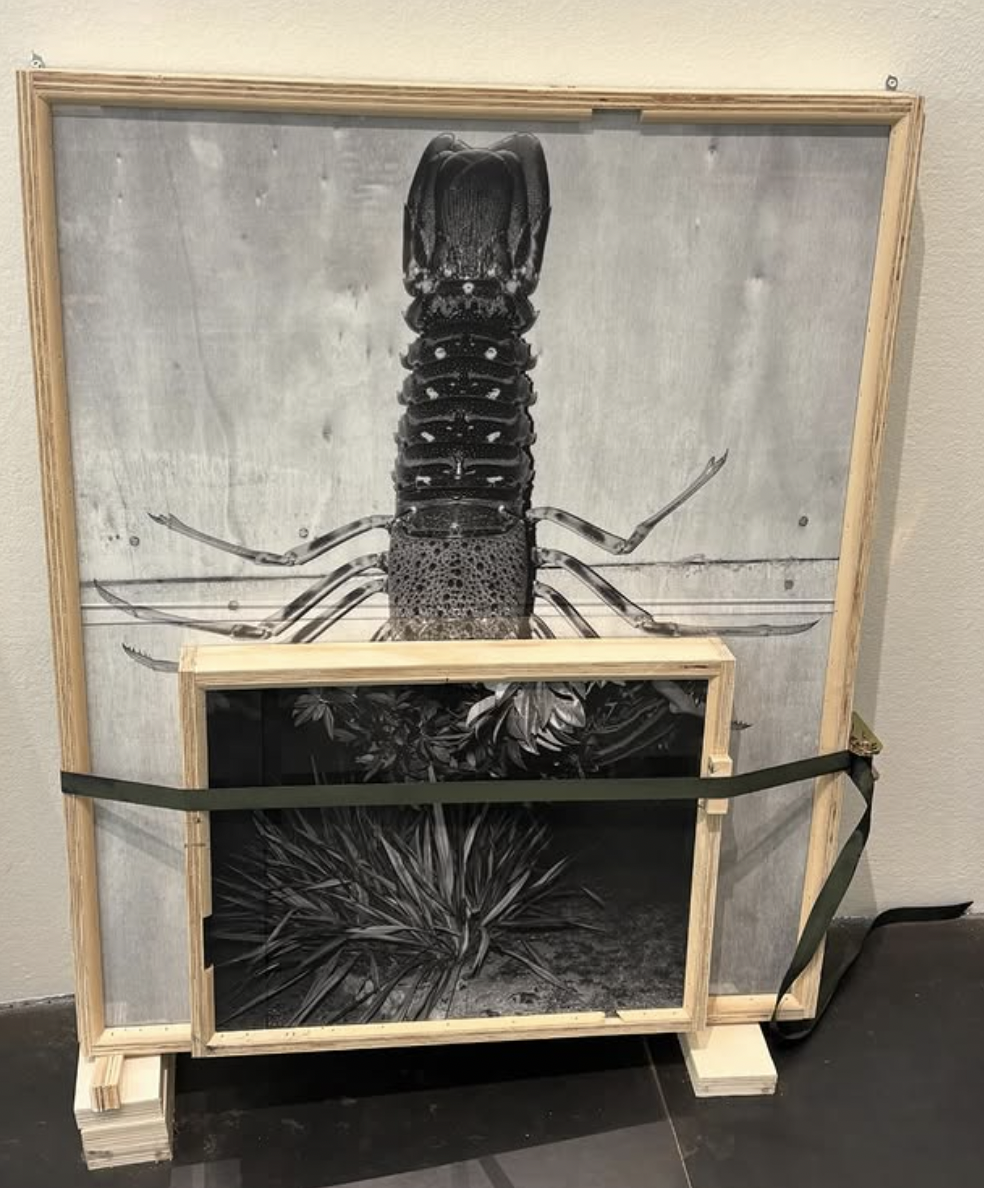
Cruising in the public garden (2024) by Jacopo Benassi
Your collection spans names from Marcello Lo Giudice to Jacopo Benassi, and from traditional to digital practices. What connects these works for you personally?
Collected works like those by Lo Giudice or Benassi play a very similar role, though in different ways. Each of them, with its own reservoir of history and imagery, manages to evoke emotions in me that remain vivid and alive. In Lo Giudice’s blue Eden, my thoughts dissolve as I imagine the stillness and the vast mysteries of the ocean depths, while looking at Jacopo Benassi’s work awakens my curiosity — and, in part, that hint of transgression carried by the history behind his piece.
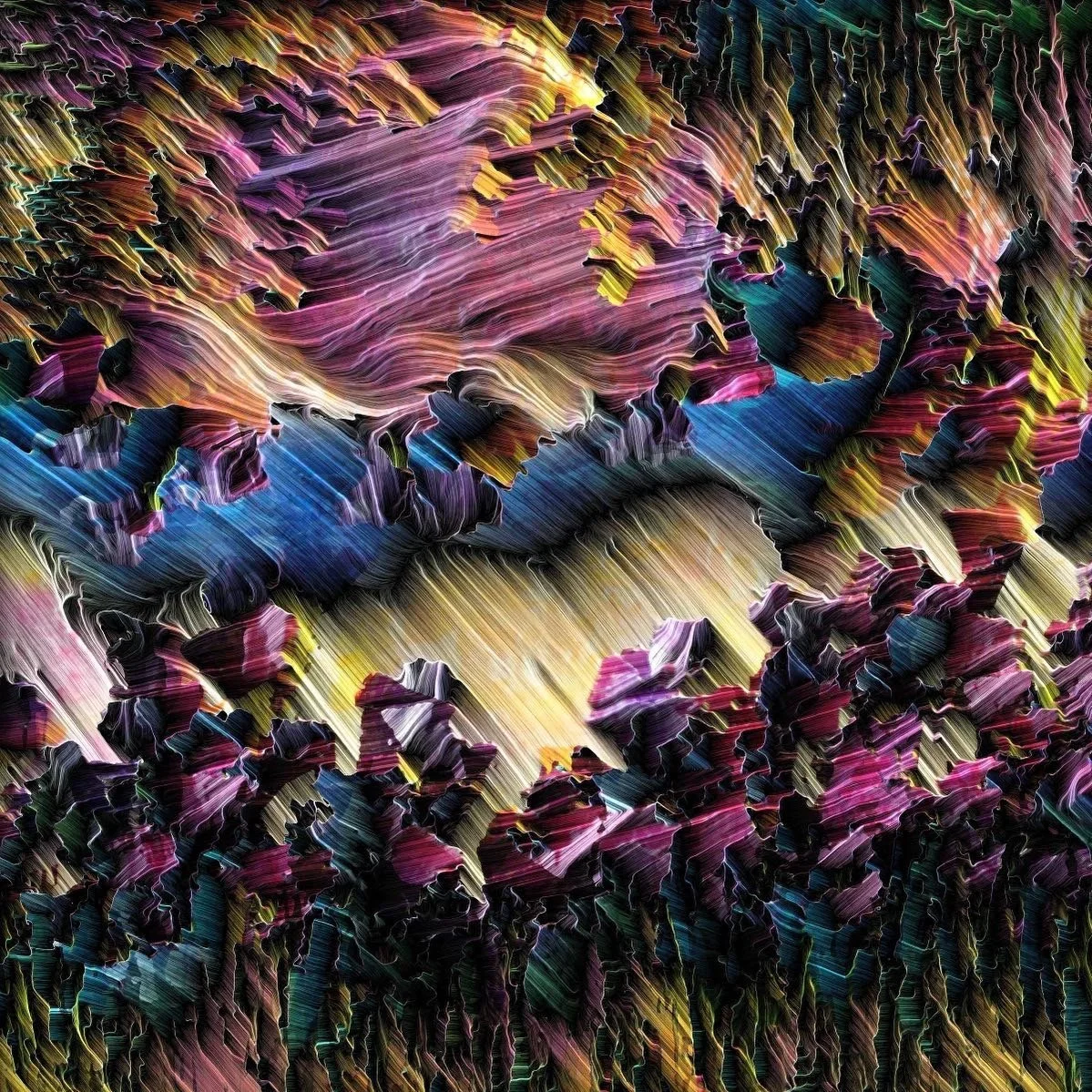
Almost Summer (2023) NFT, ed of 30 by Matteo Mauro
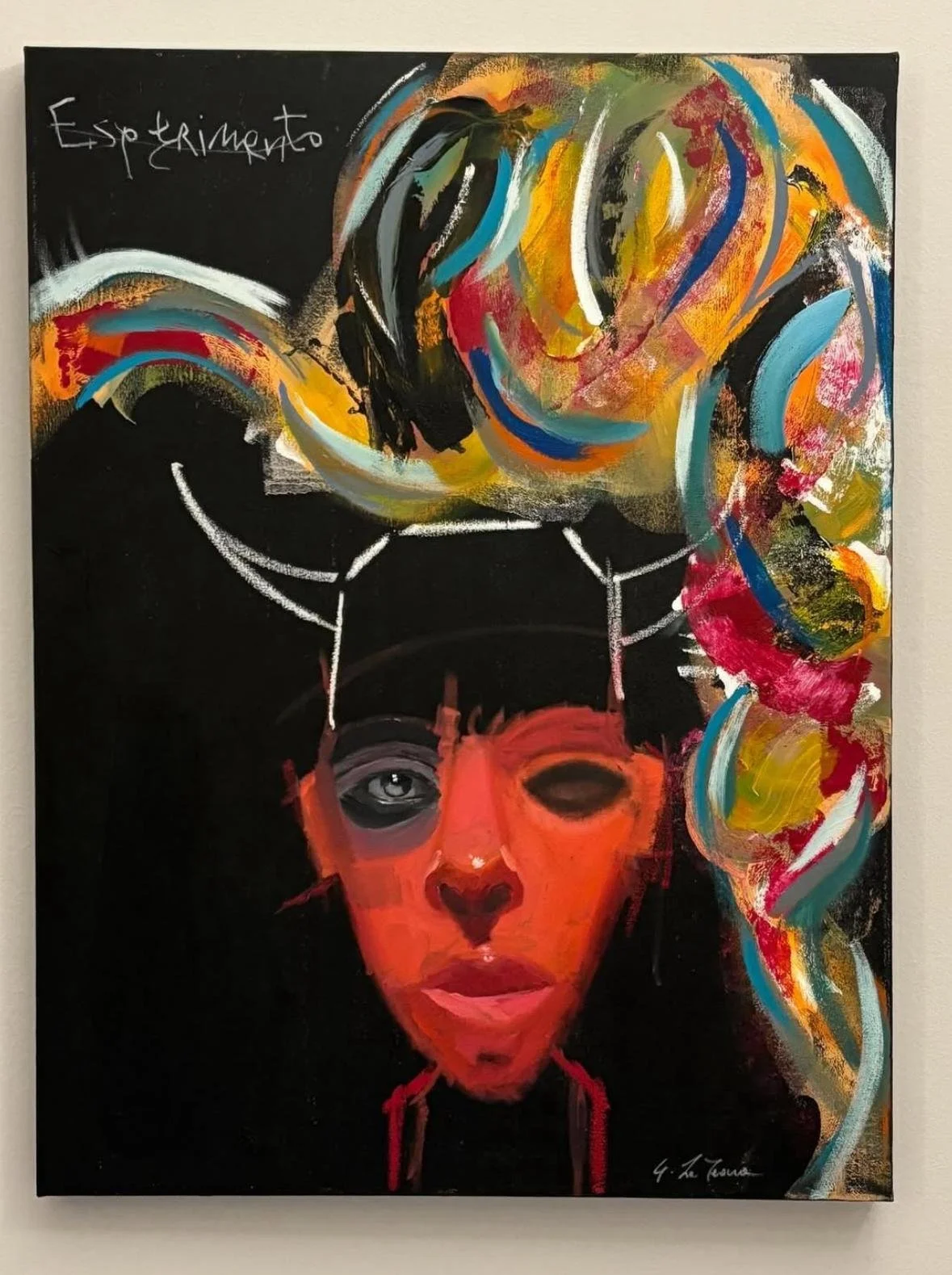
South Africa (2020) by Francesco Gabriele La Teana
When you encounter a new work, what qualities or sensibilities most strongly draw you in?
As mentioned earlier, the most important thing is that a work of art — beyond pleasing me from an aesthetic or technical point of view (or ideally both) — truly resonates with my thoughts and memories. It should evoke dormant recollections or spark new “lights” within me.
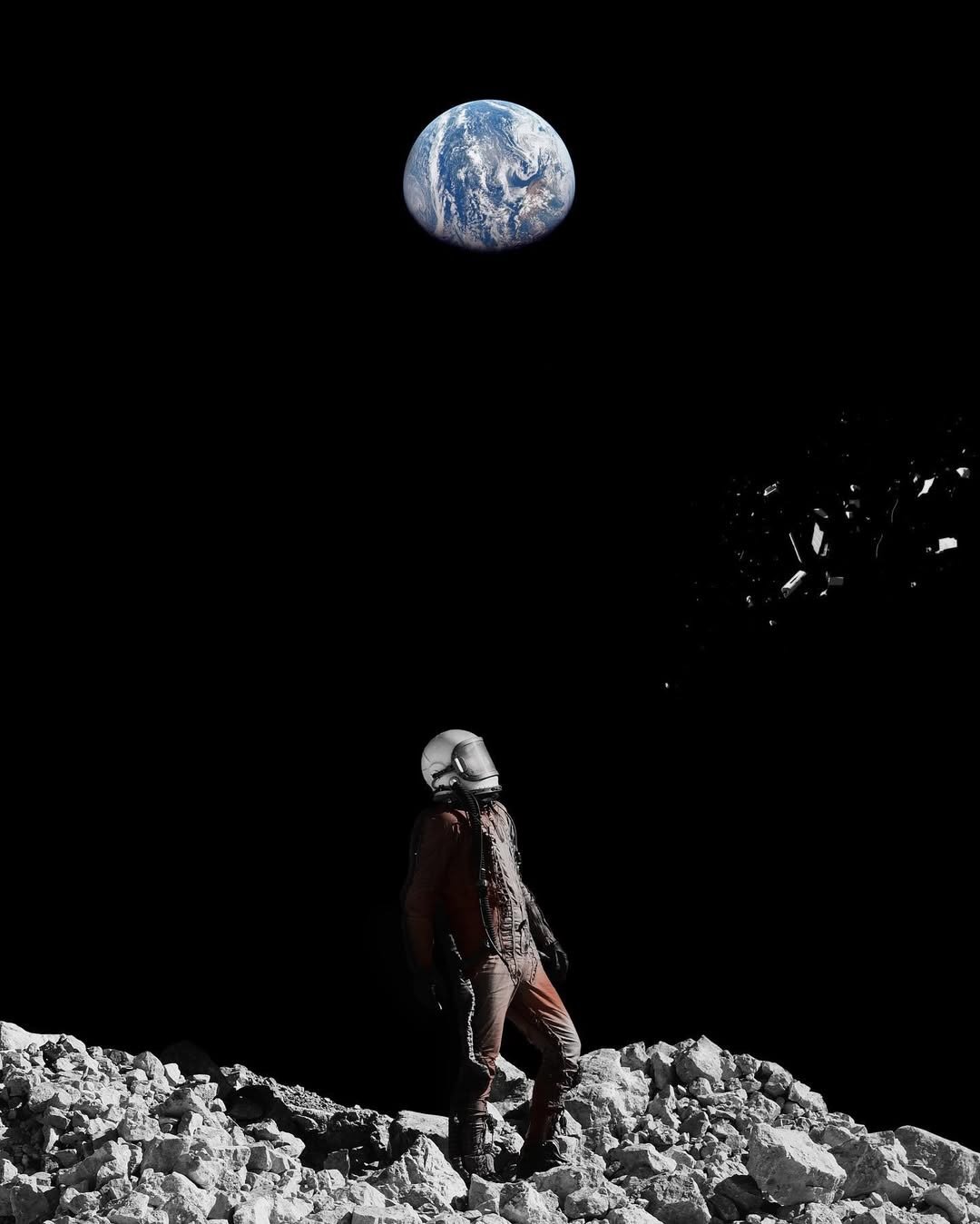
Beyond The Sea (2023) by Mattia Pannoni
You’ve also collected NFTs and digital works. How do you see digital art shaping the future of collecting and artistic practice?
For digital art, this is a particularly meaningful moment. I’m convinced that the young artists who are now developing compelling and substantial research will be the major figures of tomorrow. It’s simply a matter of knowing how to wait and observe where true quality will emerge, especially when thinking about the new generations. In general, digital art has much older origins than many assume, but it’s certainly in these recent years that its presence has been expanding significantly, in step with the technological innovations of our time.
As an Italian collector, how do you see your role in supporting both local voices and international dialogues?
Lately, I’ve been studying the art scene outside of Italy, and I’d like to deepen my understanding of several interesting academies, both within Europe and beyond. In recent months, I’ve been particularly drawn to the Taipei Biennial, especially while following the work of Jacopo Benassi and Ivana Bašić.
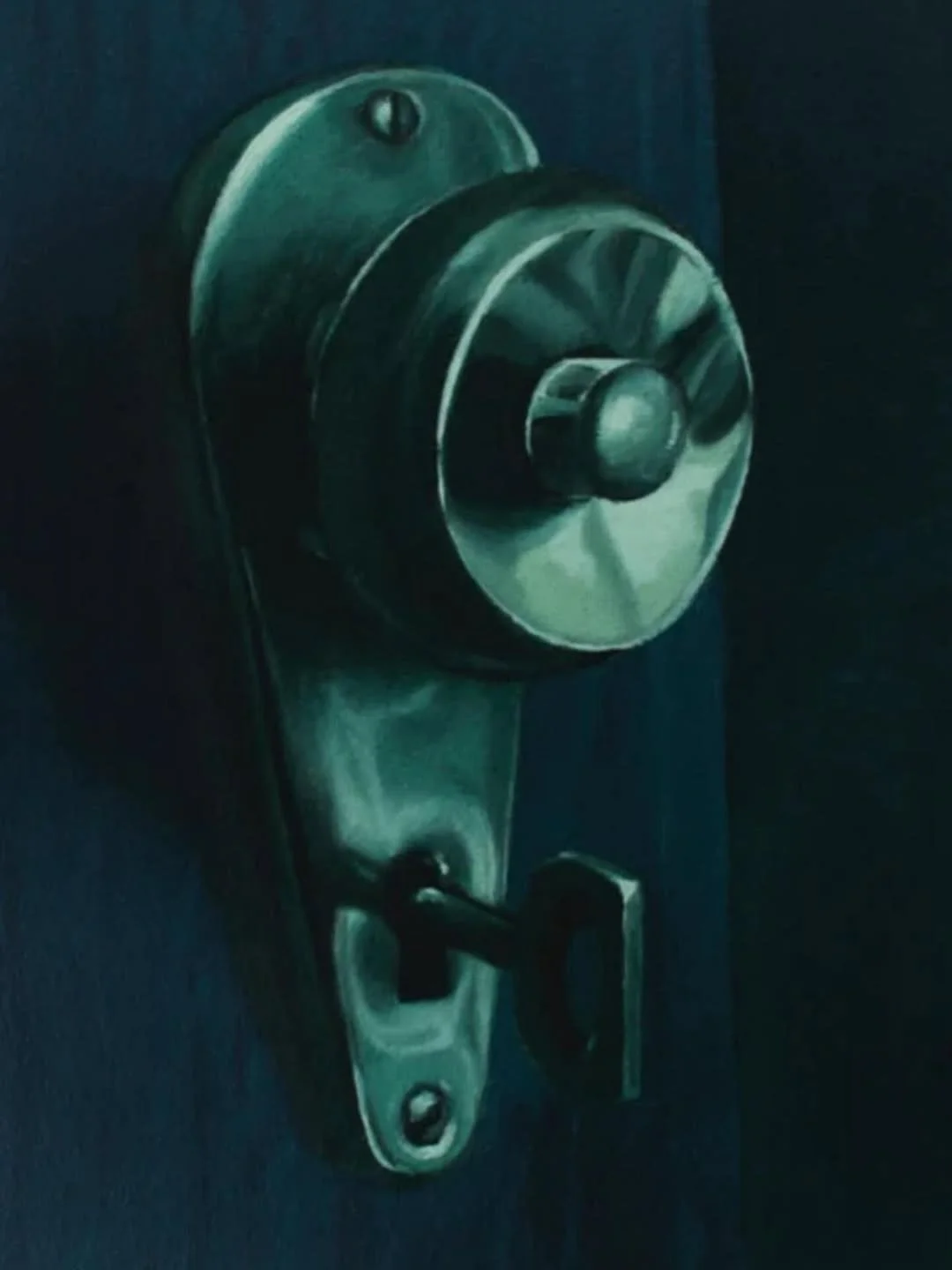
The Suite (2024) by Cecilia Cocco
Which artists or practices have been capturing your attention these days, and what draws you toward them?
As for my long-term goals within my collecting project, there are many dreams I keep close.
The first one — the one I am already experiencing in practice — is to grow alongside the emerging artists I appreciate the most. One of the most rewarding things is recognizing early on that sense of harmony between myself and the works of the artists I study and truly believe in. Even more beautiful is seeing how that harmony strengthens over the years, validating the impressions and emotions I felt from my very first “encounters” with their works.
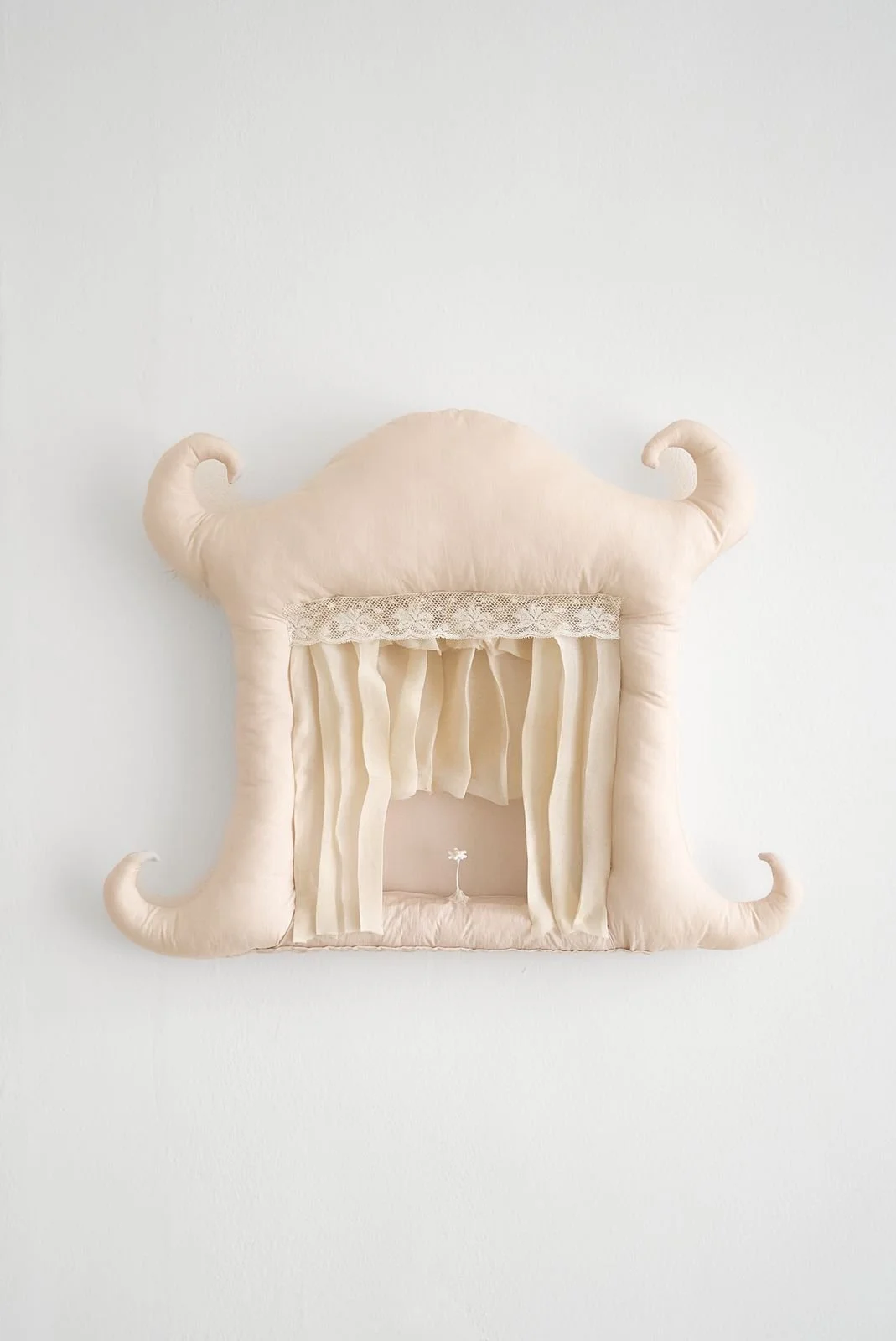
Cresceva fantastico (2025), Livia Chiff
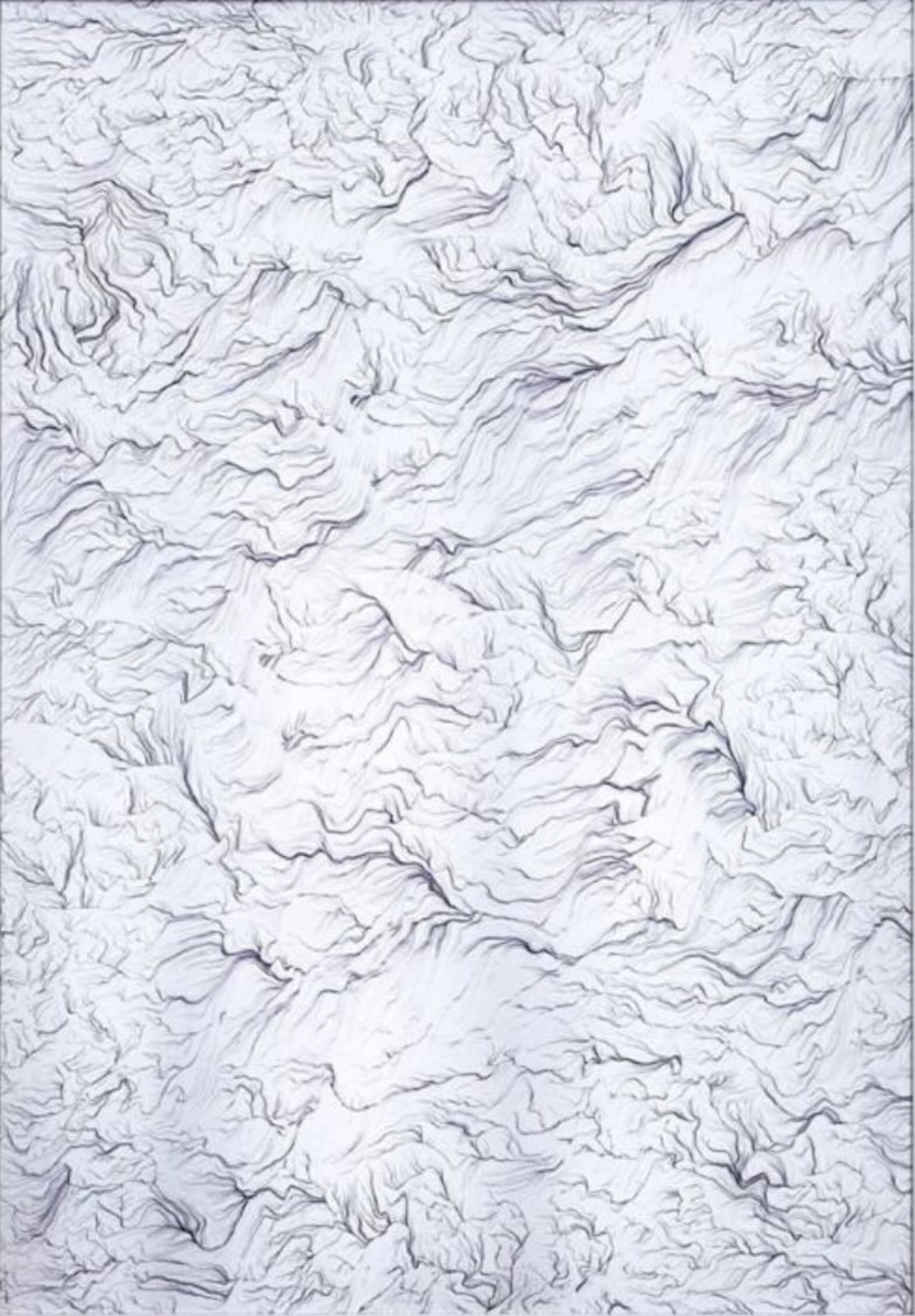
Raw Inscription #2 (2024), Matteo Mauro
Looking ahead, what kind of collection do you imagine building — and what impact would you like it to have?
A future goal of mine could be to open my small but growing collection to encounters with other enthusiasts like me, creating opportunities for ongoing dialogue and exchange. I would love for other young people to develop a passion for art — not only with the aim of collecting, but above all to talk about it and open up new conversations and reflections. Art is a form of culture in its broadest sense, and once it enters our lives, it can only lead to growth.